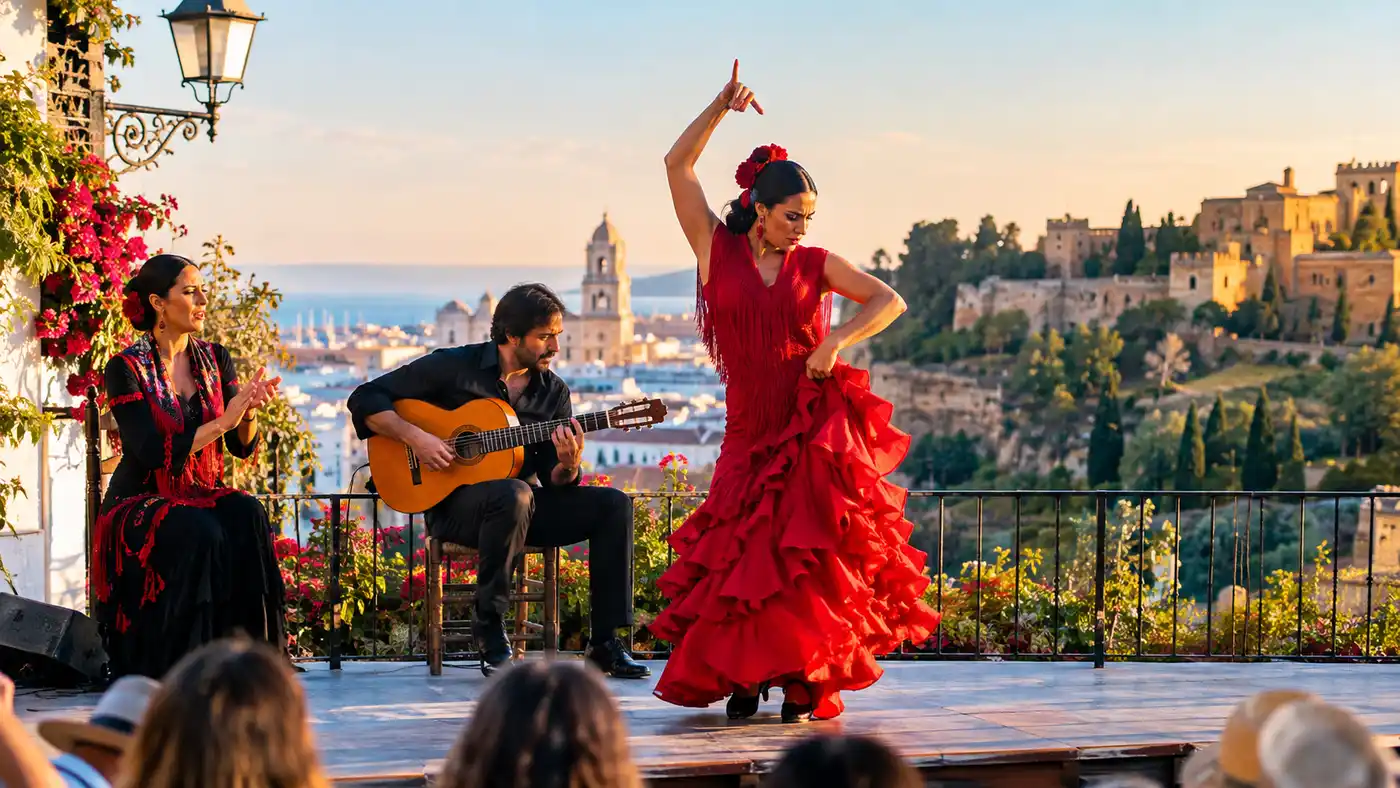
Flamenco Concerts and Festivals in Malaga
If you have ever spent an evening in a generic tourist venue watching dancers stamp on cue while waiters rush lukewarm sangria to rows of folding chairs, you know that hollow feeling. Malaga deserves better than that, and so do you. Finding an authentic concierto flamenco malaga takes a little legwork because the truest performances do not run on a loop seven nights a week. They are scheduled around liturgical calendars, local harvests, theatre seasons, and the spontaneous whims of cultural associations that post paper flyers on lampposts two days before curtain call.
The city lives through its music in a way that separates casual entertainment from deep-rooted heritage. From sprawling summer festivals in hillside amphitheatres to acoustic recitals tucked away in municipal theatres, live flamenco concerts here operate on their own clock. Understanding where to look, how tickets actually get sold, and why some of the most celebrated gatherings happen in dusty white villages thirty minutes inland will change your entire trip.
Book your flamenco show malaga experience:
Major Festivals and the Spirit of Málaga en Flamenco
Every couple of years, the province comes alive with major coordinated programming under umbrellas like the Bienal de Arte Flamenco or initiatives celebrating málaga en flamenco. These are not simple showcase weekends. They stretch across months, planting world-class singers, guitarists, and dance companies into historic courtyards, Roman theatres, and village squares from Antequera down to the coastline. If your visit lines up with a Bienal year, you will see posters plastered across Calle Larios advertising headline names like Tomatito, Estrella Morente, or local masters who rarely tour outside Andalusia.
Beyond the provincial biennials, individual summer festivals dot the regional calendar. The Festival de Cante Grande in Casabermeja has been running since 1969. It is one of the most respected purist festivals in the country. You sit on tiered stone benches under the stars, eating sheep cheese and drinking rough red wine from plastic cups while vocalists dig into the darkest corners of soleares and seguiriyas until 4:00 AM. It gets chilly on that hill around three in the morning, so bring a jacket even in July.
Down closer to the coast, the Torre del Cante festival in Alhaurín de la Torre draws massive crowds every June. The acoustics inside the municipal park amphitheatre are surprisingly crisp. While casual listeners might find five straight hours of traditional singing intense, the collective energy of three thousand locals hanging onto every vocal crack is something you will never feel inside an air-conditioned hotel lounge.
Pro tip: For outdoor village festivals like Casabermeja, rent a car or arrange a dedicated ride back in advance, because local taxi apps simply give up trying to dispatch drivers out to rural hills past midnight.
Prime Venues for a Concierto Flamenco Malaga
When you want high production values, perfect soundboards, and reserved velvet seats, the city centre boasts a handful of dedicated spaces. Teatro Cervantes remains the grand dame. Built in 1870, this horseshoe-shaped auditorium hosts major touring flamenco concert productions throughout the autumn and spring seasons. The sound from the upper balconies carries remarkably well, though the front rows of the stalls let you hear the actual breathing of the performers, which changes how you interpret the rhythm entirely. For a closer look at the city's formal stages, explore flamenco theatres and performance stages in Malaga to understand how their historical layouts influence the sound.
A few blocks away, Teatro Echegaray offers a more modern, compressed setting. It holds fewer than 300 seats. It serves as an incubator for experimental works and solo guitar concerts where every finger scrape across the rosewood resonates through the room. During the warm months, between late June and early September, the city often moves programming up to the Castillo de Gibralfaro. Sitting inside the courtyard of an eleventh-century fortress, looking down on the glittering Mediterranean port while a guitar echoes against ancient stone walls, is worth every euro of the admission price.
Here is how the primary venues and cycles compare across the year:
| Venue / Event | Usual Season | Average Ticket | Primary Setting | What to Expect |
|---|---|---|---|---|
| Teatro Cervantes | October - May | €22 - €48 | Historic auditorium | Large-scale productions, marquee singers, polished lighting |
| Teatro Echegaray | Year-round | €15 - €25 | Black-box theatre | Acoustic guitar recitals, emerging talent, intimate sightlines |
| Festival de Casabermeja | Late July | €18 - €25 | Open-air rural village | Purist deep singing, marathon runtimes until 5:00 AM |
| Castillo de Gibralfaro Series | July - August | €12 - €20 | Hilltop Moorish fortress | Warm breezes, sweeping harbour views, mid-sized dance companies |
| Torre del Cante (Alhaurín) | Mid-June | €20 - €30 | Outdoor park amphitheatre | Festive local crowd, top-tier billings, traditional cante jondo |
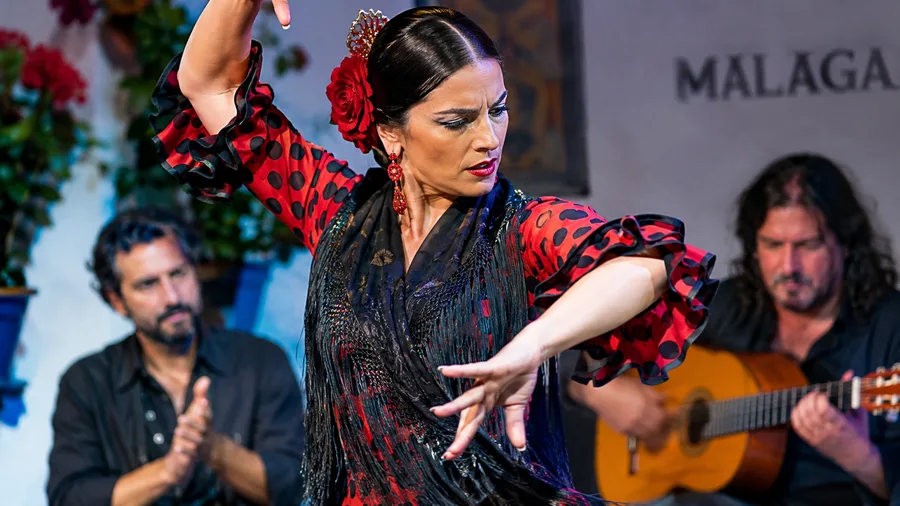
Planning for Conciertos Flamenco Malaga 2025
Booking tickets for authentic performances requires understanding Spanish ticket cycles. Major houses do not put their entire year on sale twelve months early. Teatro Cervantes, for example, tends to release its autumn season in late July or August, while winter and spring dates often drop just before Christmas. If you are scanning for conciertos flamenco malaga 2025, check the official municipal theatre portals rather than third-party reseller platforms that mark up prices by double.
The municipal calendar generally follows rhythm patterns you can build an itinerary around:
- February and March: The Carnival period occasionally overlaps with early spring theatre cycles, bringing flamenco fusion and experimental dance works to urban venues.
- May and June: The weather warms up, triggering the start of open-air festivals in neighboring towns like Alhaurín de la Torre and Antequera.
- July and August: Open-air shows dominate at Gibralfaro, alongside coastal village ferias that book late-night flamenco bills.
- October to December: Autumn brings serious acoustic cante jondo cycles into private peñas and municipal cultural spaces across the historic quarter.
Tickets for standard theatre recitals rarely sell out months in advance unless an international icon like Sara Baras or Miguel Poveda is on the marquee. Even then, single seats often pop up forty-eight hours before showtime as cultural offices release held reservations. Be ready to act fast on local platforms like Uniticket or the box office windows on Calle Ramos Marín.
Note: Box offices in Malaga frequently close early in the afternoon, often by 2:00 PM, and only reopen two hours before evening performances. Do not leave your ticket pickups for late afternoon walk-ins.
Book your flamenco show malaga experience:
Summer Peñas and Outdoor Conciertos Flamenco Malaga
The beating heart of flamenco in Malaga does not reside in commercial theatres. It lives in peñas flamencas. These are non-profit cultural clubs run by and for enthusiasts. Peña Juan Breva, named after the legendary Malaga singer who formalized the malagueña style, sits right in the centre on Calle Ramón Franquelo. While they have a museum during the day, their weekend recitals are legendary. You walk into a room with wood-panelled walls covered in faded photographs of men in wide-brimmed hats, sit on simple wooden chairs, and listen to unamplified music.
During the Feria de Agosto, everything shifts outward. The city transforms, and while much of the fair involves pop music and daytime drinking on Calle Larios, traditional flamenco concerts carve out their own territory. You can often stumble onto free flamenco shows in Malaga during festival weeks, particularly at the Peña Juan Breva stand in the fairgrounds or during municipal midday showcases in Plaza de las Flores. These shows are rowdy, sweaty, and completely devoid of pretension.
Surviving and enjoying these community concerts requires adjusting your expectations:
- Timing is flexible: A concert billed for 10:30 PM will rarely sound its first chord before 11:15 PM, as sound checks and casual greetings take priority.
- Quiet means absolute silence: When the singer leans into the microphone, talking, whispering, or clinking silverware will earn you furious glares and loud shushing from the elderly regulars.
- Clapping has rules: Unless the artist explicitly asks the audience to join the palmas, do not try to clap along. Flamenco compás is fiercely complex, and off-beat clapping ruins the artists' internal count.
- Drink etiquette: Order your caña of beer or glass of fino sherry before the opening chords strike, because service usually pauses mid-song out of respect.
There is an intimacy in these rooms that large auditoriums cannot replicate. You watch sweat drip off the guitarist's tuning pegs. You see the singer grimace as they reach for notes torn straight out of the chest. It feels less like an artistic presentation and more like an exorcism.
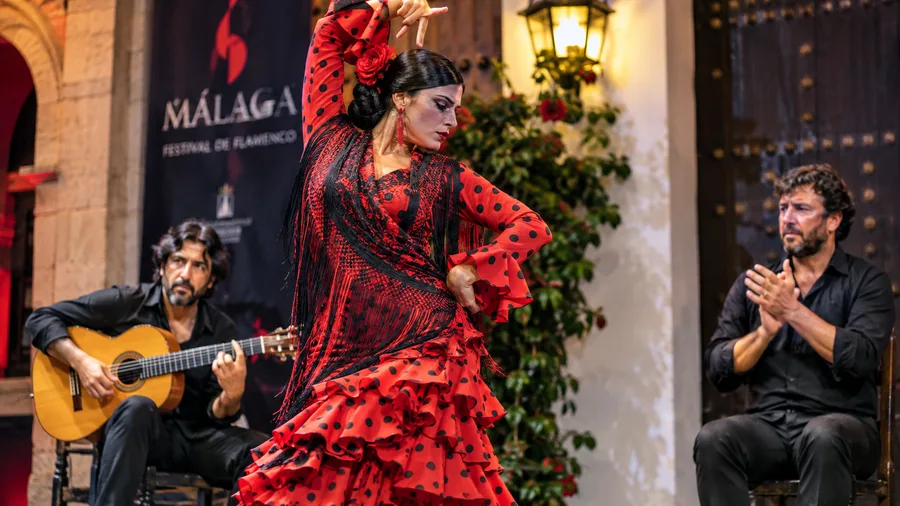
Beyond the City: The Provincial Village Circuit
If you have an adventurous streak and a rental car, leaving the city limits yields the most raw musical experiences in the territory. Malaga province is fractured into distinct geographic zones, each carrying its own micro-tradition. The Montes de Malaga have their verdiales, a pagan, frantic folk style with clattering castanets and violins that predates modern flamenco, while the inland valleys cultivate a darker, more solemn cante.
In Ronda, the Festival de Cante Grande de Ronda usually takes place in late August within the historic quarter. Listening to the echo of flamenco guitar bounce between fourteenth-century stone arches while an icy breeze rolls off the El Tajo gorge is unforgettable. The atmosphere is quiet, respectful, and deeply Andalusian. Families bring young children who fall asleep across their parents' laps by midnight while the old men sit upright, nodding along to every traditional copla.
Ojén, perched just above Marbella in the hills, hosts the Festival Flamenco Castillo del Cante every August. Because the town is built into the limestone rock, the acoustic properties of the village square amplify the music naturally. You pay maybe €15 at an improvised table set up on the road into town. You get a plastic wristband and a seat among villagers who have attended every edition for forty years. It offers a total contrast to the polished resorts just five miles down the mountainside.
These provincial gatherings capture the communal function of flamenco. It was never intended as a passive museum piece for tourists behind velvet ropes. It was music created to pass the hours after brutal farm labor, to mourn lost family members, and to celebrate weddings until dawn. When you sit in Casabermeja or Ojén at 3:30 in the morning, watching an artist deliver a blistering martinete under an empty sky, that lineage becomes unmistakably clear.
Frequently Asked Questions about concierto flamenco malaga
How do I know if a flamenco concert is authentic or just a tourist show?
Authentic concerts are usually advertised with specific artist names, feature unamplified or minimally amplified instruments, and are held in theatres, peñas, or town plazas rather than restaurants offering combined dinner packages.
What time do flamenco festivals usually finish in Malaga?
Summer village festivals and outdoor peña concerts start late, usually around 10:30 PM, and rarely wrap up before 3:00 AM or 4:00 AM. Theatre shows at Cervantes or Echegaray keep formal hours, typically finishing by 10:30 PM or 11:00 PM.
Do I need to dress up for a flamenco concert in Malaga?
For municipal theatres like Teatro Cervantes, smart-casual clothing is the norm. For summer outdoor festivals, dress for comfort and bring extra layers, because temperatures in inland mountain towns drop quickly after midnight.
Quick Reference
- Cervantes Theatre tickets: €15 to €50 via municipal box offices
- Casabermeja festival runs annually in late July until dawn
- Gibralfaro summer series: open-air concerts inside Moorish fortress walls
- Peña Juan Breva hosts intimate, unamplified weekend recitals
Book your flamenco show malaga experience:
My Take on Chasing the Music
If you really want to experience the soul of this province, skip the glossy shows with neon signs and take a chance on an unpolished performance. Search the cultural noticeboards outside the local theatres, ask the bartenders at a traditional peña when their next recital is scheduled, or hop on a late bus out to an inland village festival. You might end up sitting on a plastic chair in the middle of a cobblestone street at two in the morning, shivering slightly in the mountain breeze, but the sound of that first raw voice cutting through the dark will stay with you long after the suntan fades.
Read more about flamenco show malaga.